

| Koko Niwa
Co-op in Japan
What’s fascinating is that, as Japan’s
largest non-store business operator, 30% of all the households in Japan belong
to Co-op. Although many giant supermarkets have been destroying small local stores,
Co-op still remains in the communities with a strong presence.

How is the big consumerist country, Japan,
doing? We don’t hear so much what’s happening there, but there is a demonstrative
example in the area of supermarkets on how consumers can create a healthy
buying culture. It’s called Co-op.
Co-op is a retail store and, more
importantly, a joint purchase home delivery system selling mainly food
products. Here’s how it works. Five to ten members in a neighbourhood form a group.
The members place a joint weekly order, which is fulfilled the following week
when the product is delivered to the group by a truck. The members can always
have their voice heard by the business management, and participate actively in
developing Co-op brand products. Also, members organize study groups to learn
about food safety, a major concern of Co-op. All the products sold at Co-op
have been developed by the consumers, for the consumers, and trusted by the
consumers.
What’s fascinating is that, as Japan’s
largest non-store business operator, 30% of all the households in Japan belong
to Co-op. Although many giant supermarkets have been destroying small local stores,
Co-op still remains in the communities with a strong presence. This shows the
consumers’ high satisfaction and trust level with the Co-op business. The way
Co-op operates is perhaps unique compared to other supermarkets, but it’s the
most natural and sophisticated way, which makes absolute sense to the
consumers.
In many countries, the level of consciousness
of the consumers is rising and ethical lifestyle is boosting. For example, giant retailers in UK such as
TESCO and ASDA have now expanded their floor space for selling organic food as
to the point where buying organic is not a niche market anymore. Also Marks &
Spencer, the largest clothing retailer in UK, launched a campaign on organic
clothing this year. These changes are all positive reflections of consumers
demanding more ethical and healthy lifestyles.
Co-op span out from the Japanese Consumers’
Co-operative Union (JCCU) formed in 1951 during the high economic growth era in
Japan, when environmental destruction and lack of quality control of food was
severe. Therefore, Co-op’s mission is to create a more humane lifestyle and
sustainable society through the concerted efforts of individual citizens.
Koko Niwa is a Japanese film and digital
contents producer on global issues affecting quality of life. Based in Tokyo,
she is currently travelling around the world with her video camera and a mobile
editing machine, working on a documentary on consumerism.
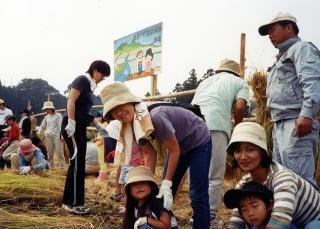
Photo [c] NasuInfo